
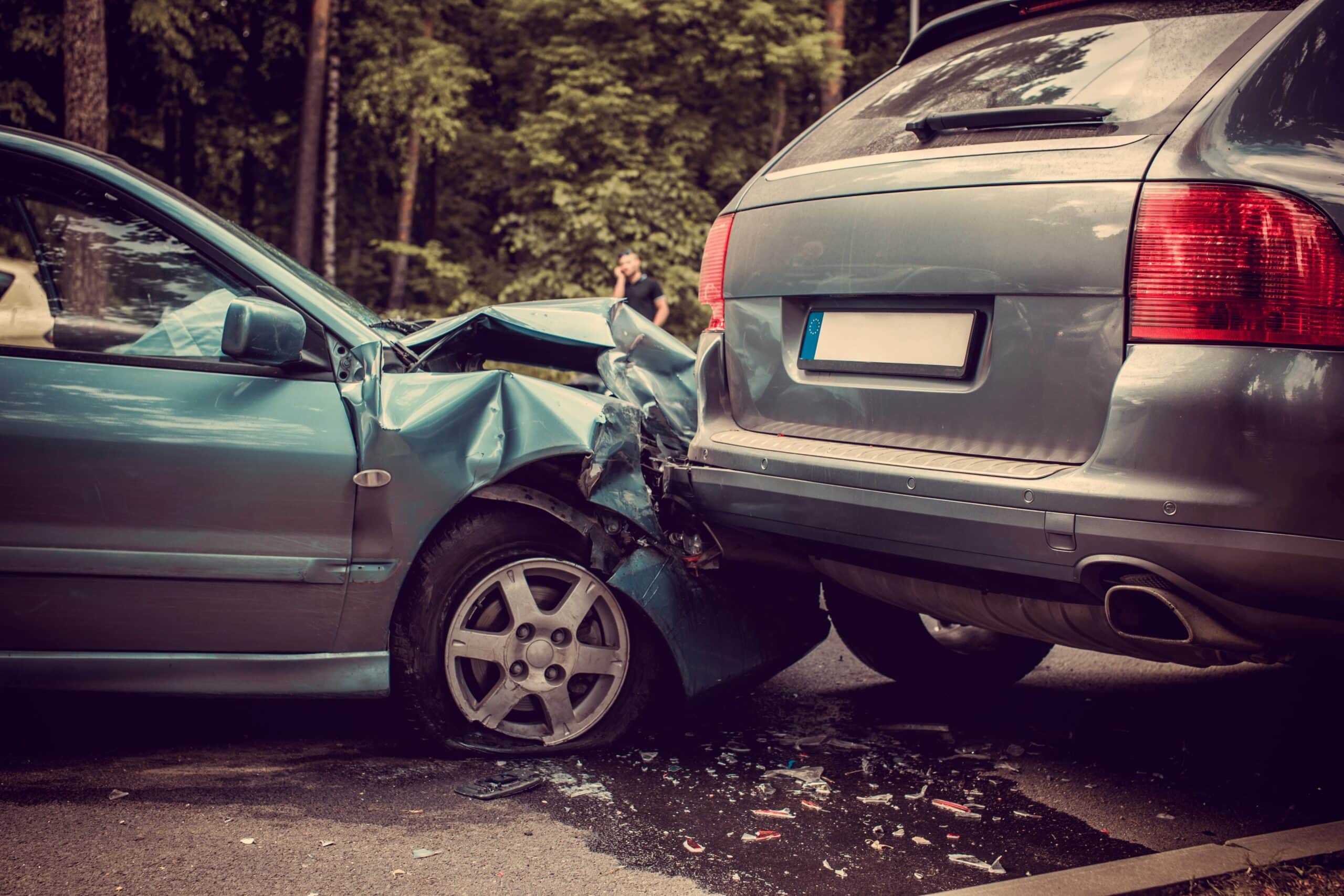
Let’s get something out of the way right from the start: being partially at fault for a car accident does not automatically end your case. We hear this misconception constantly from people who call our office after a crash. They feel guilty, they’re replaying the moment over and over, and somewhere along the way — maybe from a friend, maybe from the insurance adjuster who called within 24 hours — they got the idea that because they weren’t 100% perfect behind the wheel, they have no claim.
That’s simply not true. And understanding why could be the difference between walking away with nothing and recovering the compensation you genuinely need to put your life back together.
Utah’s Comparative Fault Law: What It Actually Means for You
Utah follows what’s called a modified comparative negligence system, codified under Utah Code § 78B-5-818. In plain English, this means that fault in a car accident can be divided between multiple parties — including you — and your compensation is adjusted accordingly.
Here’s the key number to know: 49%.
As long as you are found to be less than 50% responsible for the accident, you can still recover damages. Your award gets reduced by your percentage of fault, but you don’t lose everything. So if a jury determines your total damages are $120,000 but finds you were 25% at fault, you’d walk away with $90,000. That’s real money. That’s medical bills covered, lost wages replaced, and your recovery supported.
The only scenario where your claim is completely barred is if you’re found to be 50% or more at fault. That’s the cliff — and it’s a steep one. But here’s what matters most: you don’t get to that number without a fight, and a skilled Utah car accident lawyer fights to make sure that number stays as low as possible.
Why Insurance Companies Love the 50% Rule (And Use It Against You)
Insurance adjusters are not on your side. We know that sounds blunt, but it’s worth saying clearly. From the moment a claim is filed, the adjuster’s job is to find ways to reduce what the company pays out — and Utah’s comparative fault rule hands them a powerful tool to do exactly that.
Think about it from their perspective. If they can push your fault percentage from 30% to 50%, they go from owing you $84,000 on a $120,000 claim to owing you absolutely nothing. That’s a massive financial incentive to build a narrative that puts as much blame on you as possible.
Some of the tactics they use aren’t obvious at first:
Twisting your words at the scene. That “I’m so sorry” you said to the other driver out of basic human decency? That gets documented as an admission of fault.
Pulling your phone records. If your cell was anywhere near your hand in the minutes before the crash, they’ll argue distraction and try to assign you a higher fault percentage.
Citing traffic violations. Were you going five miles over? Did you change lanes a quarter-mile before you should have? Every minor infraction becomes ammunition.
The “last clear chance” argument. Even if the other driver clearly cut you off or ran a red light, adjusters sometimes argue that you had the opportunity to avoid the crash and failed to. It sounds absurd, but it shows up in negotiations more than you’d think.
This is why having a Utah car accident lawyer in your corner from day one isn’t just helpful — it’s protective. Once you’re represented, these conversations go through your attorney, and the guesswork and pressure stop.
Real-Life Scenarios: How Partial Fault Actually Plays Out
Sometimes the best way to understand a law is to see it in action. Here are a few situations we encounter regularly:
Scenario 1: The Intersection Collision A driver runs a red light and hits you. Clear fault, right? But when investigators look closer, they find you were traveling 42 mph in a 35 mph zone. The insurance company argues that at the proper speed, you could have stopped in time. They try to put your fault at 30%. Under Utah’s comparative fault rules, you can still recover 70% of your damages — which on a serious injury claim could mean tens of thousands of dollars.
Scenario 2: The Merging Accident Two cars merge into the same lane simultaneously on I-15. Both drivers claim the other had the responsibility to yield. A jury splits fault 60/40 — with you at 40%. You still recover. Your award is reduced, but you’re not left with nothing.
Scenario 3: Multiple-Vehicle Pile-Up A rear-end chain reaction involves four cars. You got hit from behind and also bumped the car in front of you. Multiple parties share fault. Under Utah law, as long as your percentage is lower than the combined fault of all defendants, you’re still eligible to recover. The more defendants involved, the easier it can be to spread the fault out — which works in your favor.
What Happens If You Don’t Have an Attorney?
This is where we want to be really honest with you. In Utah, you have the right to handle your own car accident claim. Nobody is required to hire a lawyer. But the statistics on what happens when injured people try to go it alone aren’t encouraging.
Insurance companies routinely offer initial settlements that are a fraction of what a case is actually worth — especially when the other side knows you don’t have legal representation. They know you’re probably stressed, possibly missing work, maybe dealing with real physical pain, and likely just want it over with. A lowball offer that gets you something right now starts to look attractive under those conditions.
Beyond the settlement amount, self-represented claimants often don’t know how to effectively push back on fault percentages. They may not understand how to gather the right evidence — black box data from vehicles, traffic camera footage, expert accident reconstruction testimony — that can shift a 45% fault finding down to 20%. That difference can mean tens of thousands of dollars.
At AVS Law Group, our approach is simple: we investigate thoroughly, we build the strongest possible case on your behalf, and we don’t back down when insurance companies try to manufacture reasons to underpay you.
How Fault Gets Decided: The Evidence That Matters
One thing that surprises a lot of people is how much evidence actually exists after a car accident — even one that happened in a matter of seconds. Here’s what a thorough investigation looks at:
The police report. This is usually the starting point, but it’s not the final word. Officers arrive after the fact and work with limited information. Reports sometimes contain errors, omitted witnesses, or assumptions. We review these carefully and work to correct the record when necessary.
Physical evidence at the scene. Skid mark length and direction, the final resting position of vehicles, damage patterns — all of this tells a story about how the crash happened and who bore primary responsibility.
Event data recorders (EDRs). Most modern vehicles have these. They capture speed, braking, acceleration, and seatbelt use in the moments before a crash. This data can definitively contradict claims that you were speeding or distracted.
Traffic and surveillance cameras. Intersections, nearby businesses, even residential ring cameras sometimes capture collisions. This footage can be gold — and it has to be preserved quickly before it’s overwritten.
Witness statements. Police don’t always
get to every witness at a busy accident scene. We track them down independently when needed.
Expert testimony. In complex crashes, we work with accident reconstruction specialists who can calculate trajectories, impact forces, and probable fault percentages using physics and engineering analysis.
What Should I Do Immediately After a Utah Car Accident?
The steps you take in the hours and days after a crash have a direct impact on your claim. Here’s what we recommend:
First — if it’s safe — document everything at the scene. Photographs of vehicle positions, damage, road conditions, skid marks, and any visible injuries can be critical evidence later.
Exchange information with all involved parties: names, licen
se numbers, insurance details, and contact information.
Call the police and get a report filed, even for accidents that seem minor. In Utah, you can request a copy of your crash report through the Utah Department of Public Safety’s crash reporting portal. Pain and injuries sometimes don’t fully manifest for 24 to 72 hours, and having an official record matters.
Seek medical attention promptly. This isn’t just about your health (though that’s obviously the priority). Gaps in medical care give insurance companies a reason to argue that you weren’t really hurt, or that your injuries came from somewhere else.
Don’t give a recorded statement to the other driver’s insurance company before speaking with an attorney. You are not required to do so, and anything you say can be used to increase your assigned fault percentage.
Contact a Utah car accident lawyer as soon as you’re able. Evidence fades, witnesses move on, and some legal deadlines are time-sensitive. Early involvement gives us the best chance to build a strong case.
How Long Do I Have to File a Car Accident Claim in Utah?
Utah’s statute of limitations for personal injury claims stemming from a car accident is generally four years from the date of the accident. For property damage claims, it’s the same window. You can review filing deadlines and civil procedure rules through the Utah Courts self-help center.
While four years sounds like a long time, waiting works against you in a few important ways. Evidence disappears. Witnesses become harder to locate. Your own memory of the details starts to fade. And insurance companies will use any delay to argue that your injuries couldn’t have been as serious as claimed if you waited years to pursue compensation.
There are also exceptions and nuances that can shorten this window in certain situations — such as claims involving government entities, which often have much shorter notice requirements. Don’t assume you have unlimited time. When in doubt, call us.
What Damages Can I Recover After a Utah Car Accident?
The goal of a personal injury claim is to make you whole — to compensate you, as best as money can, for
everything the accident has cost you. In Utah, recoverable damages fall into two broad categories.
Economic damages are the concrete, calculable losses: medical bills (past and future), lost wages, loss of future earning capacity, vehicle repair or replacement costs, and out-of-pocket expenses related to your injury and recovery.
Non-economic damages are the harder-to-quantify losses: pain and suffering, emotional distress, loss of enjoyment of life, and the impact the injury has had on your relationships and daily routines. These are often the largest component of a serious injury claim, and they’re also the category insurance companies fight hardest to minimize.
In rare cases involving especially reckless or intentional conduct — such as a drunk driver — punitive damages may also be available. These are meant to punish the defendant and deter similar conduct, not just compensate the victim.
Remember: all of these damages are subject to reduction based on your fault percentage. That’s exactly why fighting for a low fault assignment matters as much as building a strong damages case.
Does Wearing a Seatbelt (or Not) Affect My Claim?
This question comes up often. Under Utah law, failure to wear a seatbelt is generally not admissible as evidence of fault for causing the accident itself. In other words, not buckling up doesn’t mean you caused the crash.
That said, it can become relevant in discussions about the extent of your injuries — the argument being that some of your injuries might have been less severe had you been buckled. This is a nuanced area of law, and how it’s handled depends heavily on the specifics of your case. It’s one more reason to have an experienced attorney reviewing the details rather than trying to navigate these arguments on your own.
What If the Other Driver Was Uninsured?
Unfortunately, uninsured and underinsured drivers are a real problem on Utah roads. If the driver who hit you didn’t have insurance — or didn’t have enough insurance to cover your damages — you’re not necessarily out of options.
Your own uninsured/underinsured motorist (UM/UIM) coverage becomes critical in these situations. The Utah Insurance Department provides a helpful consumer guide on understanding your auto policy and what coverage you’re entitled to — worth a read before you assume you’re out of options. Many people don’t realize this coverage exists or underestimate how important it is until they’re in exactly this situation.
We regularly help clients navigate UM/UIM claims and make sure they’re getting the full benefit of the coverage they’ve already paid for.
The AVS Law Group Difference
We started AVS Law Group because we believe that people who’ve been hurt deserve more than a case number and a callback. We specialize in personal injury and medical malpractice — it’s all we do, which means we’ve seen nearly every version of these cases, including the messy ones where fault isn’t obvious and the insurance company is playing hardball.
Our team works on contingency, which means you don’t pay us unless we recover for you. There’s no financial risk to reaching out, and your initial consultation is free.
If you’ve been hurt in a Utah car accident — whether you were 0% at fault or you’re genuinely worried about what partial responsibility means for your case — give us a call. Let us review the facts and give you an honest assessment of where you stand.
You may have more of a claim than you think.
AVS Law Group: Personal Injury & Medical Malpractice Lawyers Fighting for injured Utahns — because partial fault doesn’t mean no fault.
[Contact us today for a free consultation.]